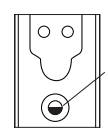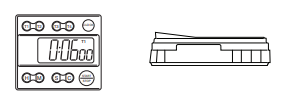
We now carry at the clinic a new cow-side antibiotic residue test. What does this mean? This test can be used on farm and doesn’t require heat or incubation to work and results are obtained in only 6 minutes. This new test is robust and flexible and can be used on cow, goat, sheep or powdered milk.

The test is valid for all penicillins (depocillin, duplocillin, polyflex) and cephalosporins (eficur, cefa-lak, cefa-dri, spectramast, excenel).

How to use the new snap test

  1. Take test out of the fridge and keep at room temperature for 15 minutes before using it
  2. Transfer milk into the test tube and swirl tube until the pellet is dissolved (but don’t swirl for more than 15 seconds)
  3. Pour the milk into the sample well on the test, once the activation circle is half white-half blue, snap the test
  4. Wait 6 minutes then read the results – If the sample circle is equal or darker to the control circle the test is negative (there is no antibiotic residues detected in the milk). If the sample circle is lighter than the control circle the test is positive (antibiotic residues are detected in the milk)
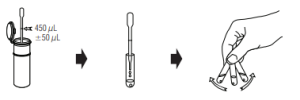
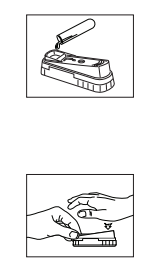


It is recommended that positive results be further analyzed because the test is TOO SENSITIVE for some antibiotics. It will be positibe even below acceptable level of antibiotics. Therefore please call the clinic to discuss with a veterinarian if another test (Delvo) needs to be performed to confirm the positive result. Please contact the clinic if you would like to order these tests to keep on farm for testing convenience.

To ensure optimal vaccine effectiveness, it is important to store and handle vaccines properly. Here are some guidelines:

  • Always follow the instructions on the label (storage, target animals, dose and route of administration)
  • Store vaccines in the refrigerator at 2–8 °C
    • Keep a thermometer in the refrigerator to ensure the temperature is correct
    • Place vaccines in the center of the refrigerator
    • Prepare only the amount of vaccine needed for use within 30 minutes
  • Do not expose vaccines to direct sunlight during administration
  • Use sterile syringes, needles, or cannulas to administer vaccines
    • Do not sterilize your needles or syringes with a chemical (e.g. Alcohol), as this inactivates the vaccine
  • Gently mix the liquid and lyophilized (powder) portions when activating a vaccine
    • Roll the vial between your hands until the contents are completely dissolved
  • Vaccinate only healthy animals; do not vaccinate sick or stressed animals
  • Use vaccines in combination with other management strategies to maximize protection against disease

During the summer, we offer an assessment of vaccine storage and handling on farms. If you are interested, please speak with your herd veterinarian or call the clinic for more information.

We now offer a drench for fresh cows. This product can be used to prevent milk fever in a fresh cow and/or to rehydrate and restore the appetite of a sick cow. This drench contains all the minerals, yeast and pro-biotics necessary for a healthy rumen. It can help restoring or restarting the rumen normal flora to avoid secondary sickness before they happen. All the ingredients are mix at the clinic to ensure every one of them is weight properly to maximize the efficacy and to obtain a healthy rumen! For more information, speak with one of our veterinarians or call the clinic.

With warm weather flies become more than just a nuisance – they can significantly impact the health, comfort and productivity of your herd. During the warmer months, controlling flies is an important part of maintaining animal welfare and maximizing farm profitability.


The two most common flies affecting dairy cattle are:

  • House flies – feed on secretions around the eyes, nose and wounds and contaminate feed and equipment
  • Stable flies – bite cattle, causing pain and stress by feeding on blood, especially around the legs

The hidden cost of flies

  • Reduced milk production
  • Lower feed intake
  • Stress and discomfort
  • Reduced weight gain in young stock and beef cattle
  • Poor reproductive performance
  • Spread of diseases (pink eye, mastitis and other bacterial infections)

Cows will spend valuable time stomping, kicking, tail swishing and bunching together instead of grazing, eating, ruminating or resting.


Fly control
It is better to start fly control early in the spring before fly numbers increase. Waiting until flies become a problem makes them much harder to control. The best fly control program combines several methods:

  • Eliminate breeding areas: flies reproduce quickly in moist organic matter
    • Remove manure regularly, keep bedding clean and dry, repair leaking waterers, clean spilled feed, ensure good drainage around the barn
  • Use fly control products
    • Pour-on insecticide, ear tags, premise sprays, fly baits, larvicides etc.
    • Rotate insecticide classes each season to reduce insecticide resistance
  • Reduce fly pressure
    • Use fans to improve air movement – flies are weak fliers and avoid strong airflow
    • Rotate pastures to avoid excessive manure buildup around feeding areas
  • Monitor your herd
    • Watch cattle for signs such as: constant tail swishing, stomping feet, head shaking, skin twitching and cows bunching together

Not all fly products work the same way and choosing the right program depends on your herd, housing system and fly pressure. Talk to your herd vet or call the clinic if you have any questions.


Office Hours

Embrun

Mon-Fri 7:30am-4:00pm
Saturday 8:00am-12:00pm
Emergencies 24hr/24hr

Casselman

Mon-Fri 8:00am to 4:00pm
Saturday- Sunday: Closed
Emergencies 24hr/24hr

Address

Embrun

593 Notre-Dame
Embrun Ontario
K0A 1W1

Casselman

100 Laflèche Boulevard
Casselman Ontario
K0A 1M0

Contact Information

[email protected]
P 613-443-5489
F 613-443-6364
Emergencies 613-443-5489